Key takeaways
- Most Fijians reach the web on a phone, so a mobile-first website that loads fast matters more than a flashy desktop design.
- A small Fiji service business needs five things online: who you are, what you do, proof you’re good, how to contact you, and a site that loads quickly.
- Build the site so you can update it yourself, and start lean rather than paying for features you won’t use.
- Word of mouth and a website work together: people get your name from a friend, then check you out online before they call.
If you run a service business in Fiji and you’ve been putting off getting a website, here’s my honest answer: good website design in Fiji starts with one simple rule, your site needs to work on a phone first. Word of mouth will always carry a lot of weight here, but these days the next step after a recommendation is a quick search, and if there’s nothing to find, you’ve lost the job before you even knew about it.
In this article I’ll walk you through why a good website matters even in a market built on relationships, what a small Fiji service business actually needs on its site, how to design for slow connections and mobile visitors, and how to keep the whole thing affordable and easy to update. I’ll keep it practical, with things you can start on this week.
Why website design in Fiji matters even in a word-of-mouth market
Fiji runs on relationships. Someone mentions a good plumber, a reliable accountant, a photographer who turned up on time, and that recommendation is worth more than any advert. I’m not going to pretend otherwise.
But here’s the thing. When a friend gives your name to someone, that person almost always checks you out before they get in touch. They want to see that you’re real, that you do the kind of work they need, and that other people have been happy. A website is where they do that checking.
Think of your site as the thing that catches the warm leads word of mouth already sends you. The recommendation opens the door. Your website gets them to actually walk through it. Without one, you’re relying on the other person to remember your number and feel confident enough to call a stranger cold.
There’s a real audience online in Fiji, too. According to DataReportal’s Digital 2024 report for Fiji, internet penetration stood at 85.2 percent of the total population at the start of 2024, with around 800,800 internet users. That’s most of the country reachable online. The people being told about you are almost certainly looking you up.
What a small Fiji business really needs on its site
I’ve seen plenty of owners talk themselves out of a website because they think it has to be big and complicated. It really doesn’t. Most small service businesses need just five things, and you can do all five on a handful of simple pages.
- Who you are and the area you cover, so a visitor knows they’re in the right place.
- What you do, in plain language, with your main services clearly listed.
- Proof you’re good: a few testimonials, some photos of real work, maybe a logo or two of businesses you’ve helped.
- How to get hold of you: phone, email, and a Facebook or WhatsApp link if that’s where your customers already are.
- A site that loads quickly and reads well on a phone.
That’s it. You don’t need a blog you’ll never update, a booking system you won’t use, or ten pages of filler. Start with a clear home page, a services page, an about page and a contact page. You can always add more later once the basics are earning their keep.
If you’re weighing up what to build on, I usually point small businesses towards WordPress. It’s flexible, affordable and you can learn to update it yourself, which matters more than almost anything else when you’re running the show alone. The same logic applies right across the Pacific.
Working with connection speeds and mobile-first visitors
This is the part a lot of overseas web designers get wrong, so pay attention here. In Fiji, your visitors are on their phones, and they’re often not on fast, unlimited connections.
That same DataReportal Digital 2024 report counted 1.19 million mobile connections in Fiji at the start of 2024, which works out at 126.2 percent of the population. People carry more than one SIM, and the phone is how they get online. If your website is built for a big desktop screen and a fast office connection, you’re designing for the wrong customer.
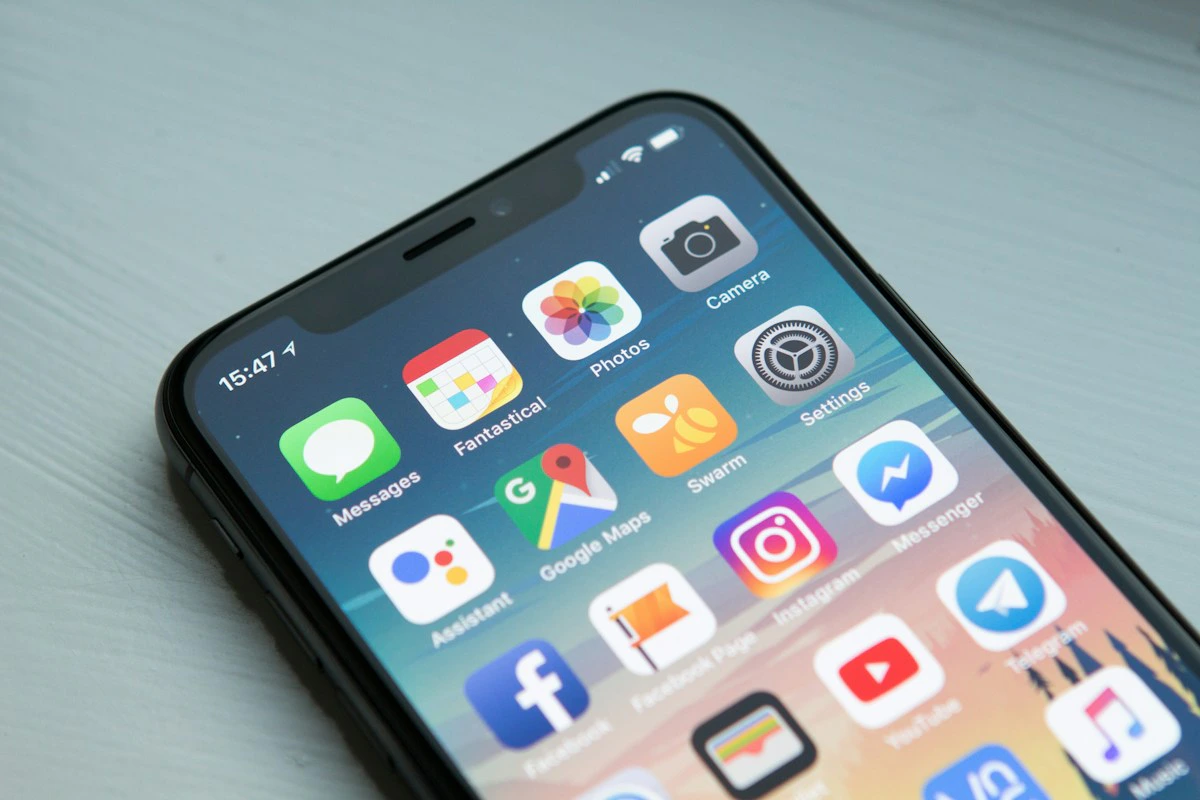
So what does mobile-first actually mean for you in practice? A few simple things make a big difference.
Keep your pages light. Big, heavy images are the main reason a site feels slow, so use properly sized photos rather than enormous files straight off a camera. Your phone number should be tap-to-call, right near the top. Text needs to be large enough to read without pinching and zooming. And every button should be easy to hit with a thumb.
To be honest, if you only fix one thing, make it load speed. A visitor on a patchy mobile connection won’t wait around for a slow, clunky site. They’ll just back out and call the next name on the list.
Keeping costs sensible and the site easy to update
A website shouldn’t drain your business. I can’t stress this enough: start lean, and only pay for what genuinely helps you win work.
You’ll have two main costs. There’s the one-off build, and then there’s the ongoing bit: a domain name and hosting, which you pay for yearly or monthly. Beyond that, be wary of being sold extras you don’t need. If you’re not going to use a feature in the next six months, leave it out.
The other thing I’d push you on is being able to update the site yourself. A phone number changes, you add a new service, a testimonial comes in, and you want to get that live without emailing a developer and waiting a week. A simple content system like WordPress lets you log in and make small changes in a few minutes. That independence is worth a lot.
If you’d like a sense of realistic numbers before you talk to anyone, there’s a guide on this blog that breaks the costs down clearly. Prices in Fiji won’t match it exactly, but the thinking carries over. Read next: How Much Does a Website Cost in NZ? 2026 Prices.
Here at Smashing Self-Employment we build simple, fast, mobile-friendly sites for small service businesses across New Zealand, Australia and the Pacific, including Fiji. The approach is always the same: get the basics right, keep it affordable, and set it up so you can run it yourself. No waffle, no features you’ll never touch.
Where digital marketing in Fiji fits in
A website on its own is a start, not a finish. Digital marketing in Fiji is really just the handful of things you do to get people to that site and keep them coming back. You don’t need a big budget or fancy tools to begin.
The most useful first step is getting found when someone searches for what you do. That means claiming and filling out your Google Business Profile, so you show up on the map and in local results. It’s free, and it’s one of the highest-value hours you’ll spend. I’ve written a simple walk-through here: How to Improve Local SEO for Your NZ Business. The method is the same wherever you are.
After that, keep it realistic. Post a bit on the social channel your customers already use, collect reviews from happy clients, and send the occasional email to people who’ve asked to hear from you. Do a little, do it regularly, and let your website be the place everything points back to.
Frequently asked questions
How much should a small business website in Fiji cost?
It depends on how many pages you need and whether you want it built for you or do some of it yourself, but a simple, well-built site for a small service business should be an affordable one-off cost plus a modest yearly amount for the domain and hosting. Start lean and avoid paying for features you won’t use. The NZ and Australia pricing guides linked above give you a useful reference point for the thinking, if not the exact figures.
Do I really need a website if I get most of my work by word of mouth?
Yes. Word of mouth brings your name up, but most people then look you up before they call. A simple site reassures them you’re real and good at what you do, which turns more of those recommendations into actual jobs.
Should my Fiji website be built for mobile?
Absolutely, and build for mobile first. The vast majority of your visitors will arrive on a phone, often on a connection that isn’t fast, so a light, quick-loading site that reads well on a small screen matters far more than a fancy desktop design.
What’s the difference between a website and digital marketing?
Your website is the destination. Digital marketing is how people find it: showing up in local search, your Google Business Profile, a bit of social media, and email. You need both, but a clear, fast website comes first because it’s where all the other effort points.
This week, pick one thing and do it: either claim your Google Business Profile or write down the five things your website needs and sketch out four simple pages. Just make a start.
And remember, do a little marketing every day. Being consistent is the key to marketing success.
If you’d like some help getting your Fiji business online the right way, I’d love to help. Email me at help@smashingselfemployment.com.